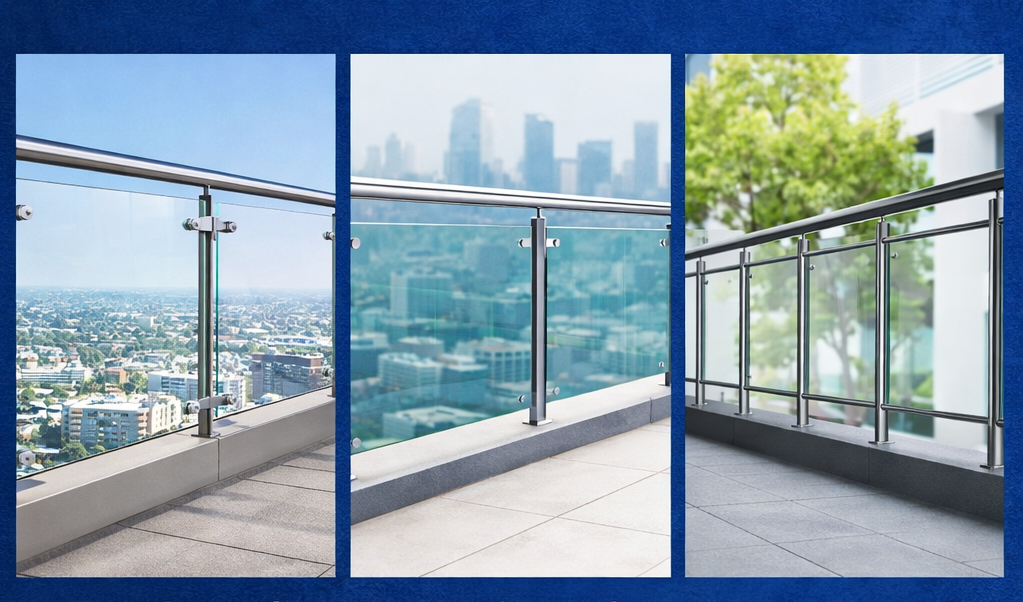
Balcony railings have become a defining feature of modern residential and commercial architecture. Glass railings not only enhance the visual appeal of a building but also provide safety, durability, and unobstructed views. However, choosing the right type of glass is crucial. Many property owners often ask: What is the best glass for balcony railing – Toughened, Laminated, or DGU? The answer depends on safety requirements, location, design preference, and budget.
Toughened glass, also known as tempered glass, is one of the most commonly used materials for balcony railings. It is manufactured through a special thermal process that increases its strength up to five times compared to normal glass. This makes it highly resistant to impact and pressure. In case of breakage, toughened glass shatters into small blunt fragments instead of sharp shards, reducing the risk of serious injury. Because of its strength and clean appearance, toughened glass is widely preferred for residential balconies, high-rise apartments, and commercial buildings. It offers a sleek, frameless look while ensuring structural stability.
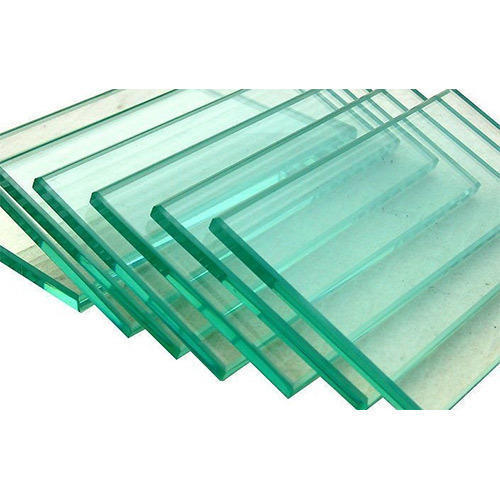
Laminated glass, on the other hand, is designed with an additional layer of safety. It consists of two or more glass sheets bonded together with a PVB (polyvinyl butyral) interlayer. If broken, the glass pieces remain attached to the interlayer instead of falling apart. This makes laminated glass an excellent choice for balconies where extra security and safety are required, especially in high-rise structures. Laminated glass also provides better sound insulation and UV protection, making it suitable for urban environments with heavy traffic noise. For families with children or for premium residential projects, laminated glass offers enhanced peace of mind.
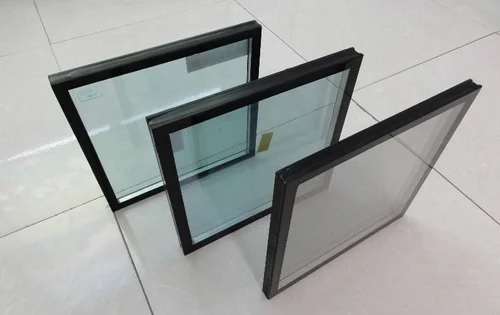
DGU (Double Glazed Unit) glass is typically used for thermal insulation rather than railing systems. It consists of two glass panes separated by an air or gas-filled space to improve energy efficiency. While DGU glass is excellent for windows and facades to reduce heat transfer and improve indoor comfort, it is generally not the primary choice for balcony railings due to its thickness, weight, and cost. However, in luxury projects where insulation and noise reduction are priorities, specially engineered DGU systems can be incorporated into balcony designs.
When comparing the three options, toughened glass stands out for strength and cost-effectiveness. Laminated glass excels in safety and security. DGU glass is best suited for energy efficiency rather than standard railing applications. For most balcony railings, either toughened or laminated glass is recommended, depending on the safety level required and local building standards.
Another important factor to consider is thickness. Balcony railing glass typically ranges from 10mm to 12mm toughened glass or laminated combinations like 5+5mm or 6+6mm, depending on height and structural requirements. Professional installation and high-quality processing are equally important to ensure long-term durability and compliance with safety norms.
If you are planning a balcony upgrade in Jaipur or Rajasthan, consulting an experienced manufacturer is essential. A trusted company like Neelkamal Tuff, a leading Glass Manufacturer in Jaipur, offers premium toughened and laminated glass solutions tailored for modern architectural needs. With advanced manufacturing technology and strict quality control, they ensure that your balcony railings are not only stylish but also safe and long-lasting.
In conclusion, the best glass for balcony railing depends on your project’s safety requirements, design expectations, and budget. Toughened glass is ideal for strength and affordability, laminated glass provides superior security, and DGU is suitable for insulation-focused applications. Choosing the right glass from a reliable supplier ensures that your balcony remains secure, elegant, and durable for years to come.