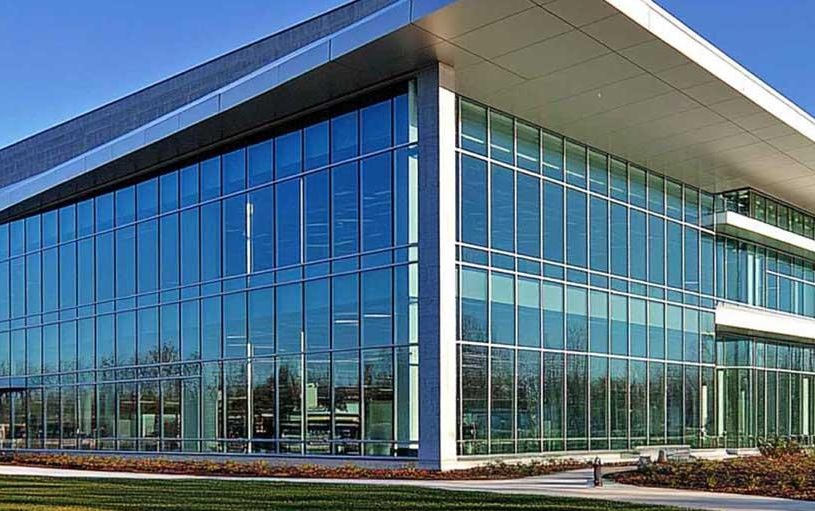
Architectural glass has revolutionized modern construction and interior design. From sleek glass facades to elegant partitions, this versatile material is now a cornerstone in creating functional, stylish, and sustainable spaces. For architects, builders, and interior designers, choosing the right glass is crucial not only for aesthetic appeal but also for durability, safety, and performance.
What is Architectural Glass?

Architectural glass refers to glass products specifically designed and manufactured for use in buildings and architectural applications. Unlike ordinary glass, architectural glass combines strength, safety, and design versatility, making it ideal for modern structures like high-rise buildings, commercial complexes, homes, offices, and interior décor elements.
It includes a wide variety of glass types, such as:
- Tempered or Toughened Glass: Heat-treated for strength and safety.
- Laminated Safety Glass: Multiple layers bonded for impact resistance.
- Insulated Glass Units (IGUs): Designed for thermal insulation.
- Reflective & Tinted Glass: Enhances aesthetics and controls sunlight.
- Frosted, Fluted, and Lacquered Glass: Adds design elements to interiors.
The right selection ensures not only visual elegance but also performance in terms of safety, energy efficiency, and long-term durability.
Key Characteristics of Architectural Glass
1. High Strength & Durability
One of the most important characteristics of architectural glass is its strength. Depending on the type, it can withstand significant impact, pressure, and environmental changes. For instance:
- Tempered glass can be up to five times stronger than ordinary glass.
- Laminated glass holds together even when shattered, preventing accidents.
These properties make architectural glass ideal for high-traffic areas, commercial spaces, and exterior applications where safety is paramount.
2. Transparency & Clarity
Architectural glass provides exceptional clarity, allowing natural light to penetrate interiors while maintaining structural integrity. High-quality float glass ensures minimal distortion and a crystal-clear finish, enhancing the aesthetic appeal of both residential and commercial projects.
3. Thermal & Acoustic Performance
Modern architectural glass is designed to provide thermal insulation and soundproofing. Insulated Glass Units (IGUs) reduce heat transfer, helping maintain comfortable indoor temperatures and energy efficiency. Laminated and double-glazed glass also reduces noise, making it perfect for urban constructions or busy office spaces.
4. Safety & Impact Resistance
Safety is a major concern in construction. Architectural glass, such as tempered and laminated variants, is designed to reduce injury risks in case of breakage. Tempered glass shatters into small granular pieces, while laminated glass remains intact thanks to its interlayer.
5. Aesthetic Versatility
Architectural glass offers a wide range of design possibilities. It can be:
- Transparent, tinted, or reflective
- Frosted or textured for privacy
- Lacquered or colored for stylish interiors
- Curved, fluted, or patterned for artistic façades
This versatility allows architects and designers to explore creative concepts without compromising on safety or functionality.
6. Low Maintenance & Longevity
High-quality architectural glass is resistant to corrosion, moisture, and environmental degradation. It is easy to clean, does not fade, and maintains its premium look over decades. This makes it an ideal choice for long-term investment in building design.
Notable Features of Architectural Glass
- Energy Efficiency: Reflective, tinted, and insulated glass helps reduce heating and cooling costs, making buildings more sustainable.
- Light Control: Allows natural light while controlling glare and UV penetration.
- Fire Resistance: Certain laminated and toughened glass products can resist heat and fire, improving building safety.
- Customization: Can be cut, laminated, tinted, printed, or curved to fit any architectural requirement.
- Environmentally Friendly: Many glass products are recyclable and produced using eco-friendly processes.
These features make architectural glass not just a functional material but a design element that enhances both aesthetics and performance.
Why Source from the Largest Stockist of Architectural Glass?
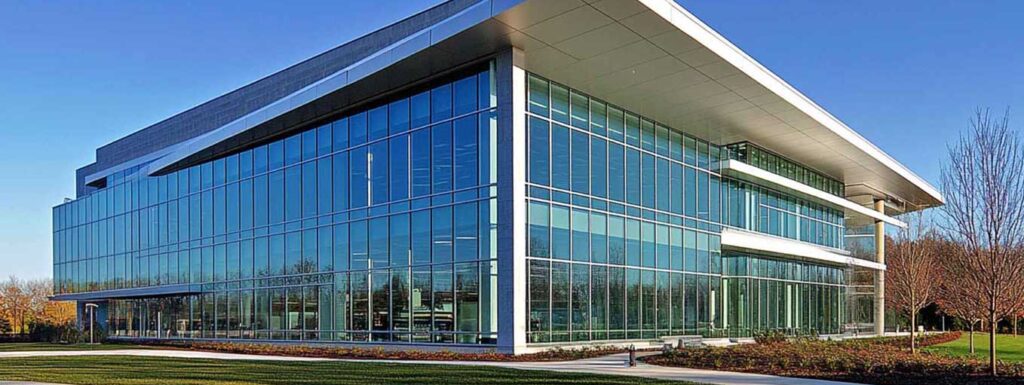
Choosing the right supplier is as important as selecting the right glass type. Working with the largest stockist of architectural glass offers several advantages:
1. Wide Range of Products
A leading stockist typically offers all varieties of architectural glass under one roof, including:
- Toughened & laminated glass
- Insulated glass units
- Colored, frosted, and reflective glass
- Custom sizes and finishes
This ensures that architects and designers can find the exact product that meets project requirements without delays.
2. Reliable Quality
The largest suppliers source their glass from trusted manufacturers, ensuring consistency, safety, and superior quality. Every batch undergoes stringent quality checks, giving peace of mind to builders and interior designers.
3. Faster Delivery & Availability
Being a large stockist means ready stock availability, which is crucial for timely project completion. No more waiting for long lead times or limited editions—projects can progress without delays.
4. Expert Guidance
Top stockists offer technical advice and design consultation, helping clients choose the right type, thickness, and finish for each application. This is especially valuable for large-scale projects where precision matters.
5. Competitive Pricing
Bulk availability and large-scale operations allow the largest stockists to offer cost-effective solutions without compromising quality, helping clients meet budget requirements.
6. Customization & Fabrication
Many stockists provide cutting, polishing, lamination, and other fabrication services. This ensures that architectural glass is delivered ready to install, reducing labor costs and project timelines.
Applications of Architectural Glass
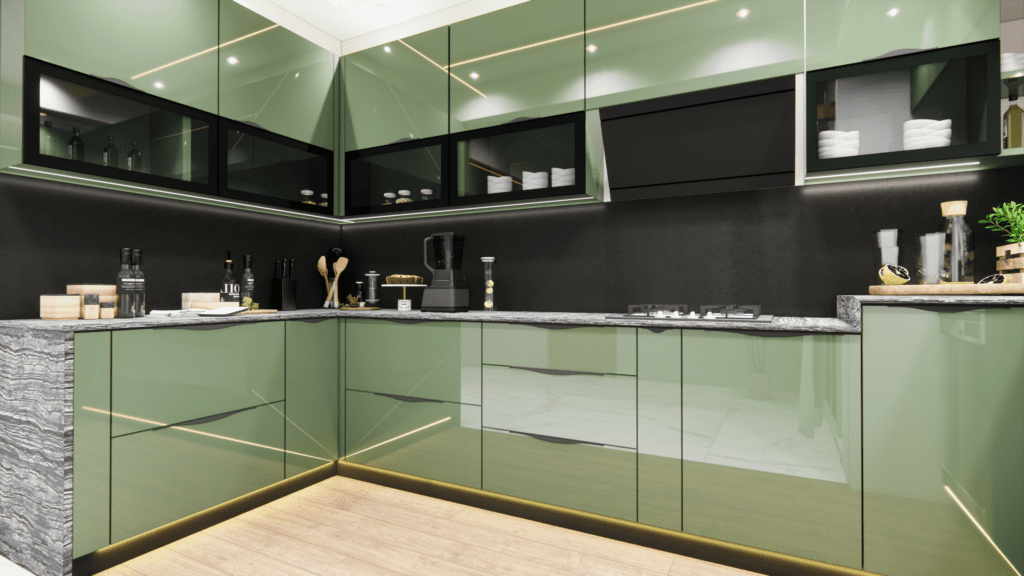
The versatility of architectural glass allows it to be used in a wide range of projects:
- Commercial Buildings: Glass facades, partitions, conference rooms
- Residential Spaces: Windows, doors, balconies, wardrobes
- Interior Design: Kitchen backsplashes, wall panels, furniture
- Retail & Hospitality: Display units, shopfronts, hotel lobbies
- Urban Infrastructure: Glass railings, metro stations, airports
In every case, the combination of strength, beauty, and functionality makes architectural glass the material of choice for modern construction.
Conclusion
Architectural glass has become an essential component of contemporary architecture, offering unmatched elegance, functionality, and durability. Its key characteristics—strength, clarity, safety, thermal performance, and versatility—make it ideal for a wide variety of applications. Coupled with distinctive features such as energy efficiency, light control, customization, and fire resistance, it is no surprise that architects and interior designers prefer it for premium projects.
Sourcing from the largest stockist of architectural glass ensures availability, quality, variety, and expert guidance, which can significantly simplify project execution while maintaining superior standards.
Whether you are designing a modern home, commercial space, or urban infrastructure, architectural glass provides a perfect blend of beauty, performance, and reliability. By choosing the right type and sourcing it from a trusted stockist, you ensure your projects not only look impressive but also stand the test of time.