In the evolving world of architecture and interior design, tinted glass has emerged as a popular choice for both residential and commercial spaces. Combining aesthetics, functionality, and energy efficiency, tinted glass is no longer just a decorative element—it is a vital component that enhances comfort, privacy, and overall building performance.
In this blog, we will explore the key characteristics of tinted glass, its benefits, and why it has become a preferred option for architects, designers, and homeowners alike.
What is Tinted Glass?
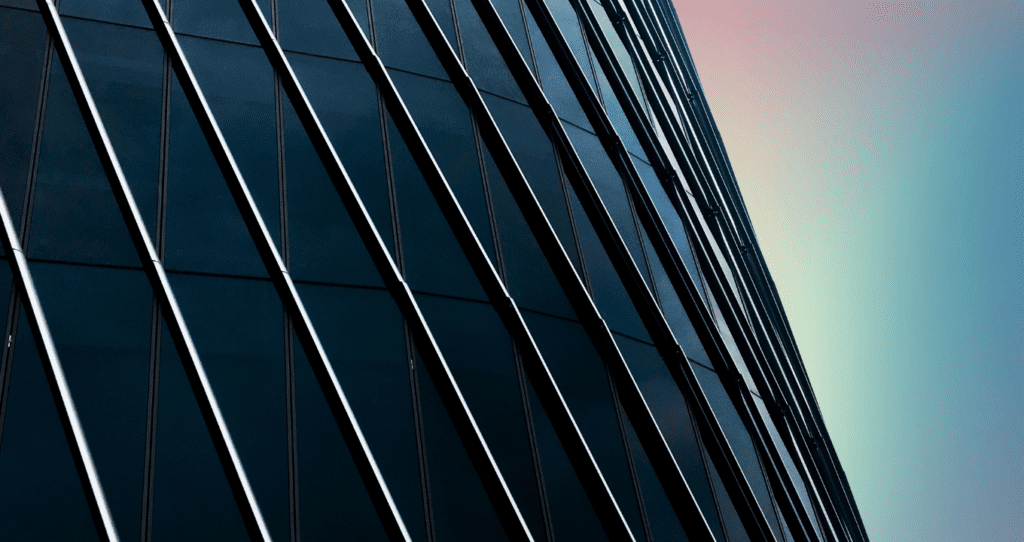
Tinted glass is a type of colored or shaded glass that reduces glare, controls sunlight, and provides privacy while maintaining transparency. The color is typically added during the production process using metal oxides, chemicals, or film coatings. Common tints include gray, bronze, green, blue, and black, each serving specific functional and aesthetic purposes.
Unlike standard clear glass, tinted glass enhances interior comfort, reduces heat gain, and improves energy efficiency. It is widely used in windows, doors, façades, partitions, and decorative installations, making it a versatile material in modern construction and interior design.
Key Characteristics of Tinted Glass
1. Heat Reduction & Energy Efficiency
One of the most important characteristics of tinted glass is its ability to reduce solar heat gain. By filtering sunlight, it lowers indoor temperatures, which decreases the need for air conditioning and saves energy. This makes tinted glass an eco-friendly and cost-effective solution for both homes and commercial buildings.
2. Glare Reduction
Tinted glass effectively reduces glare from direct sunlight, making interiors more comfortable for occupants. It is particularly useful for spaces with large windows or glass façades, where excessive sunlight can cause discomfort or strain on the eyes.
3. UV Protection
Tinted glass can block a significant portion of harmful ultraviolet (UV) rays, which helps protect furniture, flooring, artwork, and fabrics from fading. This feature is particularly valuable for residential interiors, showrooms, and offices with significant exposure to sunlight.
4. Privacy Without Compromising Light
Tinted glass offers privacy by making it harder for people to see inside from the outside, while still allowing natural light to illuminate interiors. This makes it ideal for offices, conference rooms, and residential windows where privacy is desired without sacrificing daylight.
5. Enhanced Aesthetic Appeal
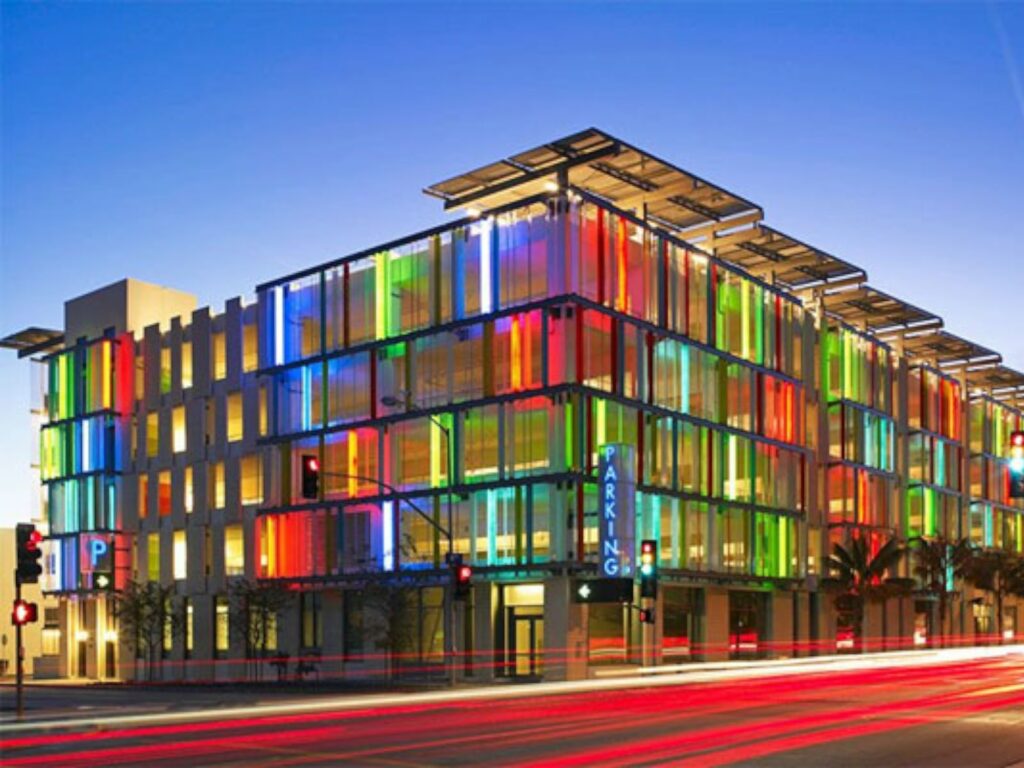
Tinted glass comes in various shades and colors, allowing architects and designers to create visually striking façades, partitions, and interiors. Its subtle or bold coloring can complement the overall design theme and add a modern, sophisticated touch to any space.
6. Strength and Durability
Most tinted glass is available in toughened or tempered variants, which makes it stronger and more resistant to impact than regular glass. In case of breakage, tempered tinted glass shatters into small, blunt pieces, reducing the risk of injury.
7. Low Maintenance
Tinted glass is easy to clean and maintain. Its non-porous surface prevents dust, dirt, and stains from penetrating, allowing for effortless upkeep with simple cleaning agents and soft cloths.
Features of Tinted Glass
- Color Variety: Available in shades like gray, bronze, green, blue, and custom colors.
- Solar Control: Reduces heat and glare while maintaining visibility.
- UV Resistance: Protects interiors and furnishings from sun damage.
- Privacy Enhancement: Provides discretion without blocking natural light.
- Durability: Available in toughened or laminated forms for added safety.
- Versatility: Suitable for windows, façades, partitions, doors, skylights, and decorative panels.
- Eco-Friendly: Reduces energy consumption by lowering the need for artificial cooling.
- Modern Aesthetic: Adds elegance, style, and a contemporary look to interiors and exteriors.
Applications of Tinted Glass
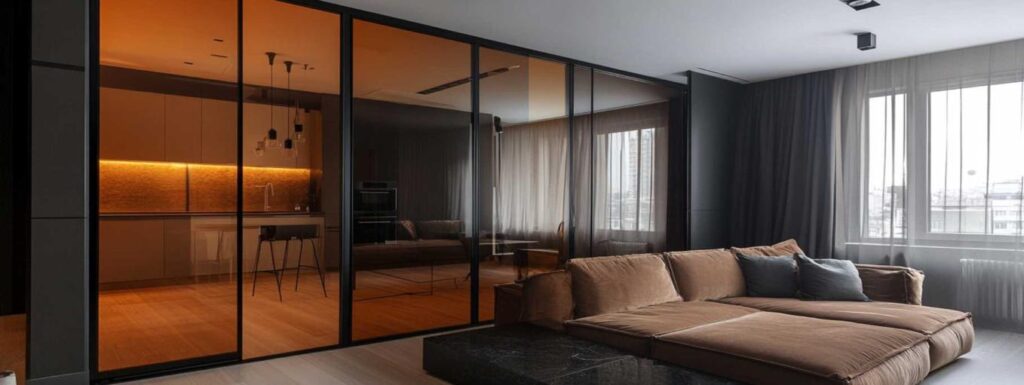
Tinted glass is highly versatile and can be used across residential, commercial, and industrial spaces. Its functional and aesthetic benefits make it a preferred choice for numerous applications:
1. Windows and Doors
Tinted glass reduces heat, glare, and UV exposure while offering privacy. It is widely used in residential and commercial windows, sliding doors, and balcony doors.
2. Glass Façades
In modern commercial buildings, tinted glass façades not only enhance energy efficiency but also create a sleek, contemporary appearance. It contributes to a building’s visual identity while maintaining occupant comfort.
3. Interior Partitions
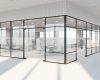
Tinted glass partitions are used in offices, conference rooms, and hotels to divide spaces without compromising on natural light. This enhances both functionality and aesthetics.
4. Furniture & Decorative Panels
Tinted glass is increasingly used in kitchen cabinets, tabletops, shelves, and wall panels to add a subtle touch of color and sophistication.
5. Skylights & Canopies
Tinted glass can be used in skylights and glass canopies to control sunlight while maintaining transparency and elegance.
6. Automotive & Transportation
Though primarily for interiors and architecture, tinted glass is also widely used in vehicles, buses, and trains to reduce glare, heat, and UV exposure.
Advantages of Tinted Glass
- Energy Efficiency: Reduces the need for air conditioning by controlling solar heat gain.
- Enhanced Comfort: Minimizes glare and regulates indoor temperature.
- Privacy: Allows discretion without sacrificing daylight.
- Aesthetic Appeal: Available in various colors to complement modern designs.
- Safety: Toughened or laminated versions provide impact resistance.
- Low Maintenance: Easy to clean and durable.
- UV Protection: Protects furniture and interiors from fading.
Choosing the Right Tinted Glass
When selecting tinted glass, consider the following factors:
- Tint Color: Lighter tints allow more natural light, while darker tints reduce glare and heat more effectively.
- Glass Type: Choose toughened or laminated glass for safety, especially for large windows and high-traffic areas.
- Application: Windows, doors, façades, or partitions require different specifications.
- Energy Performance: Some tinted glass options offer enhanced solar control for energy-efficient buildings.
- Design Compatibility: Ensure the tint complements the interior or exterior design theme.
Professional guidance from trusted suppliers ensures the glass meets both aesthetic and functional requirements.
Conclusion
Tinted glass is a multifunctional, stylish, and durable solution for modern architecture and interior design. Its key characteristics—heat reduction, glare control, UV protection, privacy, strength, and low maintenance—make it an ideal choice for residential, commercial, and industrial applications.
With a variety of tints, colors, and finishes, tinted glass not only enhances the aesthetic appeal of spaces but also improves comfort and energy efficiency. By carefully selecting the right type and shade of tinted glass, architects, interior designers, and homeowners can create spaces that are beautiful, functional, and sustainable.