In modern interior design, the demand for sleek, elegant, and durable materials continues to grow. Among the many contemporary options available today, lacquered glass has emerged as a favorite choice for architects, designers, and homeowners. Its glossy appearance, smooth texture, and ability to transform any space make it an exceptional material for both residential and commercial interiors. Whether used for wall paneling, furniture, wardrobes, kitchen shutters, or décor accents, lacquered glass brings a sophisticated visual appeal that few materials can match.
But what exactly is lacquered glass? What makes it special? And why is it becoming such a popular choice for interior spaces? This comprehensive blog explores the characteristics, benefits, and best applications of lacquered glass for your interiors.
What is Lacquered Glass?
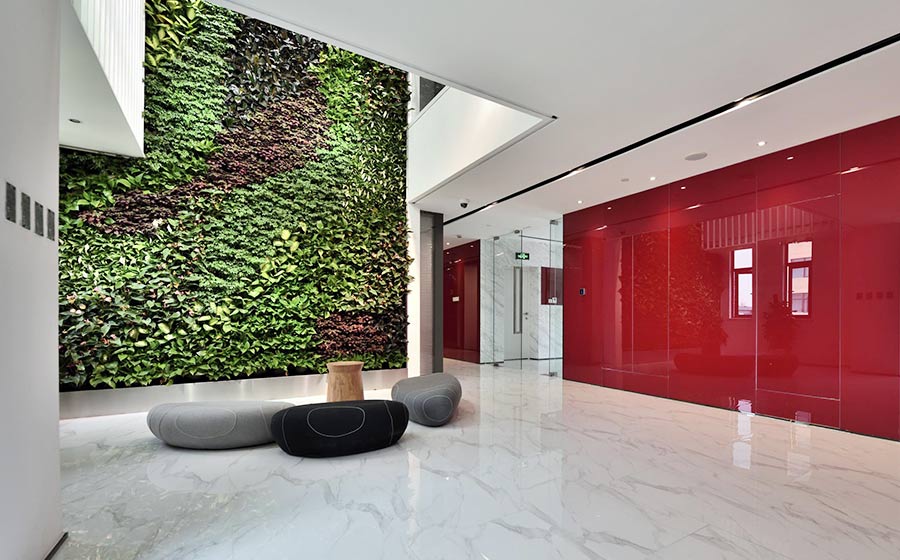
Lacquered glass is high-quality float glass coated with a durable, opaque, colored lacquer on one side. This lacquer is specially formulated to bond permanently with the glass surface, resulting in color that does not fade, peel, or lose its shine over time. The painted side is typically installed facing the wall or a protected surface, while the smooth, glossy front remains exposed, giving interiors a stunning reflective effect.
Available in multiple colors—ranging from soft pastels to bold, vibrant hues—lacquered glass gives designers complete creative freedom. It is ideal for spaces that demand a combination of beauty, durability, and easy maintenance.
Key Characteristics of Lacquered Glass
1. High Gloss, Premium Finish
The most defining characteristic of lacquered glass is its high-gloss surface. This reflective finish adds depth, brightness, and visual openness to any room. When light hits the glass, it creates a subtle glow that enhances the overall ambiance.
2. Rich and Long-Lasting Colors
The lacquer coating is baked onto the glass, ensuring permanent, rich color that does not fade over time. This makes lacquered glass ideal for long-term installations where color consistency is important.
3. Smooth & Sleek Texture
Unlike traditional wall finishes or laminates, lacquered glass offers a super-smooth, seamless surface. This gives interiors a modern, luxury feel and pairs well with contemporary furniture, metal accents, and minimalist décor.
4. Moisture & Humidity Resistant
Because of its non-porous nature, lacquered glass does not absorb moisture. This makes it highly suitable for humid environments like kitchens and bathrooms, where wooden surfaces might swell or lose their finish.
5. Easy to Clean & Hygienic
The smooth, glossy surface makes cleaning effortless. Dust and stains can be wiped off with a soft cloth—no scrubbing or special products needed. Plus, its non-porous nature means it does not harbor bacteria, making it an excellent hygienic choice for homes and commercial spaces.
6. Durable with High Scratch Resistance
While glass in general requires care, lacquered glass is surprisingly durable. The lacquer side is protected by installation against a wall or cabinet frame, while the front side is toughened or tempered (in many applications) to resist scratches and impact.
7. Versatile in Design Applications
Lacquered glass is available in multiple colors, thicknesses, and finishing styles. It complements both bold, modern interiors and soft, luxurious spaces. From vibrant reds to elegant whites, it adapts to any aesthetic vision.
Best Applications of Lacquered Glass in Interiors
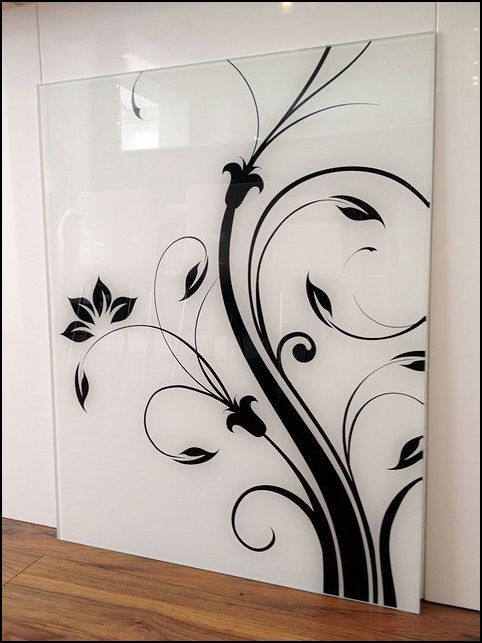
1. Kitchen Backsplashes
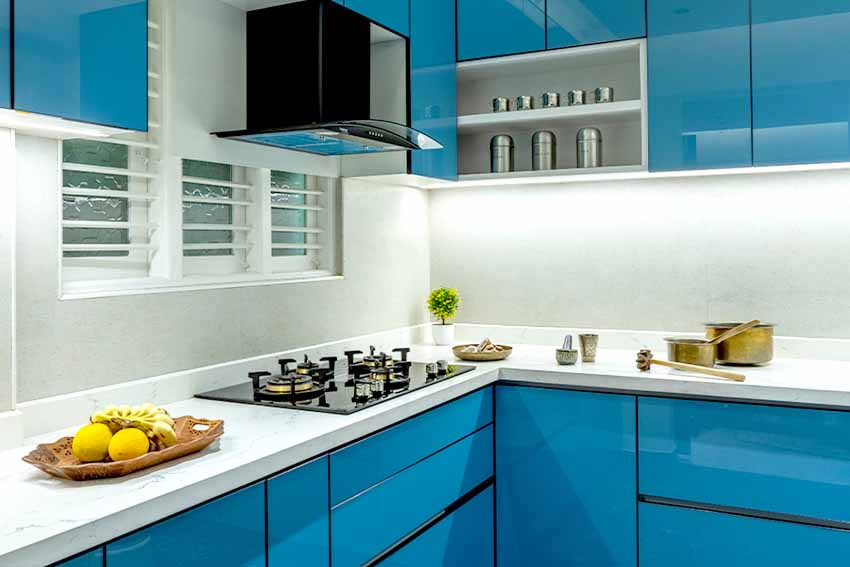
One of the most popular uses of lacquered glass is in modular kitchens. It provides a clean, vibrant, and highly durable surface behind the cooktop.
2. Wardrobe & Cabinet Shutters
Lacquered glass adds elegance to bedroom wardrobes, living room cabinets, and office storage units. Available in matt and glossy versions, it blends beautifully with wood, aluminum, and steel frames.
3. Wall Paneling & Cladding
If you want to create a feature wall or enhance the vibe of a commercial space, lacquered glass wall cladding delivers a dramatic and luxurious appearance.
4. Office Interiors
From meeting rooms to reception areas, lacquered glass partitions create a modern and professional look. It also doubles as a writable surface for brainstorming or presentations.
5. Furniture & Decorative Elements
Lacquered glass can be used creatively in:
Its versatility makes it a preferred material for custom designer furniture.
6. Bathrooms & Vanity Areas
Since it is moisture-resistant, lacquered glass is perfect for bathroom wall panels and vanity units. It resists stains from water splashes and is easy to clean.
Conclusion
Lacquered glass is more than just a decorative surface—it’s a modern design material that combines beauty, durability, and functionality. Its smooth texture, glossy finish, and unmatched visual appeal make it perfect for elevating interior spaces. Whether you’re renovating your home, designing a new commercial space, or updating your kitchen or wardrobes, lacquered glass offers a versatile and stylish solution.
With its long-lasting color, easy maintenance, and luxurious feel, lacquered glass continues to be a top choice for interior designers worldwide. If you’re looking to add a touch of elegance, modernity, and durability to your space, lacquered glass might just be the perfect option.