
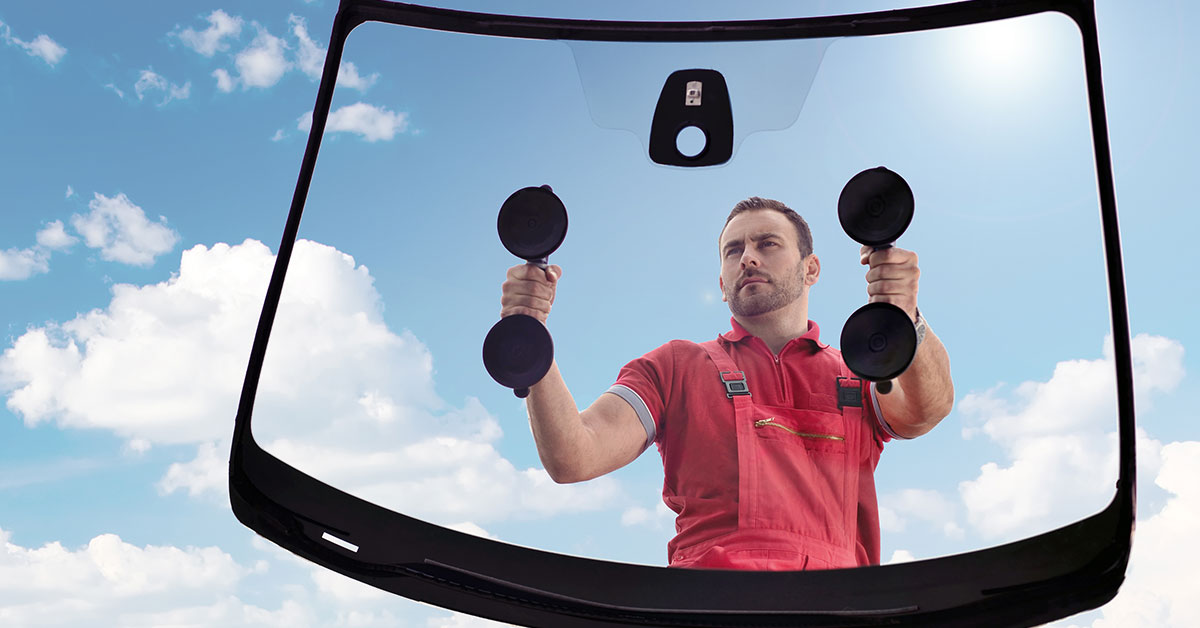
The windshield is more than just a window—it’s a structural safety component, a vision-critical surface, and now, a host for advanced driver assistance systems (ADAS). At Shree Neelkamal Glass Pvt. Ltd., we engineer automotive windshield glass that delivers reliability on the road, clarity in every condition, and durability that stands up to daily stress. This article breaks down how windshields are made, why laminated glass is the gold standard, how ADAS changes installation requirements, and what fleet owners and individual drivers should know about care, repair, and replacement.
What Makes a Modern Windshield Different?
Today’s automotive windshield is a laminated glass sandwich: two sheets of specially treated glass bonded with a polymer interlayer—most commonly PVB (polyvinyl butyral) or EVA. This structure ensures that if the outer surface cracks, the interlayer holds fragments in place, preventing shattering and reducing injury risk.

Laminated vs. Tempered: Where Each Fits
Laminated Glass (Windshields): Two glass plies + interlayer. Designed to crack but stay intact, protecting occupants and maintaining visibility long enough to stop safely.
Tempered Glass (Side/Rear Windows in many vehicles): Single glass pane that is heat-strengthened to increase toughness and shatters into small, blunt granules on impact for quick egress.
While side and rear glazing may use tempered or laminated depending on model and safety goals, windshields are laminated by design to preserve visibility and cabin integrity.
ADAS Compatibility: Why Calibration Matters
Many vehicles now integrate ADAS sensors—cameras for lane-keeping, traffic sign recognition, and emergency braking—right behind the windshield. Even slight deviations during replacement—bracket alignment, glass curvature, or camera angle—can affect system accuracy. That’s why:
Precision is non-negotiable: The glass, mounting brackets, and ceramic frit must adhere to strict tolerances.
Post-install calibration: Static and/or dynamic calibration ensures ADAS functions read the road correctly.
Clean optical pathways: Proper glass clarity and low distortion help cameras “see” reliably, even in low light or rain.
At Shree Neelkamal Glass Pvt. Ltd., we design windshields with factory-accurate sensor zones and supply calibration guidance to installation partners so vehicles leave the workshop road-safe and ADAS-ready.
OEM-Grade Fit and Finish
Fit is performance. A windshield that’s off by even a few millimeters can invite wind noise, water ingress, and stress concentrations that shorten service life. Our engineering emphasizes:
- Exact Contours for snug seating within the pinch weld.
- Uniform Thickness & Curvature to minimize optical distortion in the driver’s primary field of view.
- Consistent Ceramic Frit for UV protection of adhesives and clean sensor/screen edges.
- Adhesive Compatibility for strong bonding and faster safe-drive-away times when correct urethanes and procedures are used.
Safety & Compliance
Windshields must comply with stringent global and regional standards. While OEM specifications vary, the baseline includes requirements for impact resistance, optical quality, light transmittance, and adhesion in temperature extremes. Our processes are built to align with these requirements, and we follow robust traceability from raw glass to finished part to support quality assurance and warranty.
 Repair vs. Replacement: Making the Right Call
Not every chip means a new windshield. Here’s a quick guide:
Repairable (often): Small chips (like bullseye or star breaks) outside the driver’s line of sight, typically under a rupee coin in size, and not penetrating the interlayer.
Replace:
Cracks spreading from the edge or longer than a few centimeters.
Damage in the driver’s critical viewing area (repairs can cause minor optical artifacts).
Multiple impacts or damage affecting ADAS camera zone.
Delamination, severe pitting, or hazing compromising clarity.
Timely repairs can stop crack propagation, preserve the laminated structure, and save costs. But if structural integrity or visibility is compromised, replacement is the safe choice.
Sustainability Considerations
Windshields are energy-intensive to produce; we pursue efficiency via:
Optimized furnace cycles and recovery of waste heat.
Yield improvement through precision cutting and defect control.
Material stewardship with recycling of offcuts and packaging.
Durability-first design, because longer product life reduces lifetime environmental impact.
Why Choose Shree Neelkamal Glass Pvt. Ltd.?
Engineering Depth: Tight tolerances, ADAS-ready designs, and high optical standards.
Customization: OEM-grade specifications, coatings, tint bands, acoustic and solar options.
Quality Systems: Process control, inspections, and full traceability.
Support: Technical documentation for installers—including adhesive recommendations and calibration guidance.
Scale & Speed: Efficient production that meets timelines without compromising quality.