

In today’s architecture, where aesthetics and performance must go hand in hand, reflective glass has carved a special place. From skyscrapers and corporate buildings to residential spaces and commercial storefronts, reflective glass has become synonymous with sophistication, energy efficiency, and privacy.
This in-depth guide explores what reflective glass is, its key features, benefits, types, applications, installation insights, and why it’s a must-have material for modern construction.
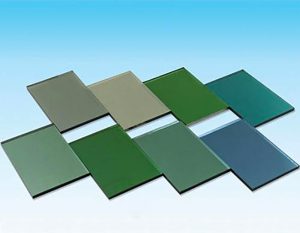 What is Reflective Glass?
Reflective glass, also known as solar control glass, is specially coated with a thin layer of metallic oxide. This coating reflects a significant portion of heat and light, giving the glass a mirror-like finish from one side and controlled visibility from the other.
It provides not only a sleek aesthetic but also improves thermal performance by blocking excess solar radiation.
How Reflective Glass is Made
Reflective glass is manufactured through a process called pyrolytic coating or magnetron sputtering, where a microscopic metallic layer (often silver, titanium, or chromium) is applied to the glass surface.
Key Characteristics of Reflective Glass
Here are the main features that set reflective glass apart:
1. Solar Control
Reflective glass reduces solar heat gain by up to 70%, keeping interiors cooler and cutting down air-conditioning costs.
2. One-Way Visibility
During daytime, reflective glass acts like a one-way mirror – offering privacy while allowing visibility from inside.
3. UV Protection
It blocks up to 90% of harmful UV rays, protecting furniture, flooring, and human skin.
4. Energy Efficiency
By reducing indoor heating and cooling needs, it promotes sustainable and eco-friendly construction.
5. Noise Reduction
Reflective glass, especially when double-glazed, helps insulate against external noise, making interiors more peaceful.
6. Aesthetic Appeal
Its glossy, modern appearance elevates building façades, giving them a sleek and futuristic look.
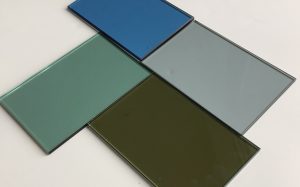 Common Applications of Reflective Glass
Reflective glass is versatile and finds usage across many sectors:
🏙1. Building Facades & Exteriors
Iconic skyscrapers and modern commercial buildings often use reflective glass to reduce heat and glare while creating a stunning visual impact.
2. Residential Windows & Balconies
Homeowners install reflective glass in windows, balconies, and sun-facing walls to maintain privacy and minimize heat.
3. Showrooms & Retail Spaces
Reflective glass offers a balance between display transparency and internal climate control.
4. Hospitals & Educational Institutions
Institutions use reflective glass for UV protection and noise insulation in sensitive environments.
5. Automotive & Transport
Some luxury vehicles feature reflective glass for sunroofs and side windows to enhance comfort.
6. Interiors & Partitions
Reflective glass can also be creatively used in modern interiors, partitions, glass doors, or as a backdrop with lighting effects.
Advantages of Using Reflective Glass
✅ Enhances building aesthetics
✅ Provides thermal comfort
✅ Reduces electricity bills
✅ Offers daytime privacy
✅ Blocks harmful UV rays
✅ Long-lasting with minimal maintenance
✅ Adds value to property
✅ Supports sustainable architecture