Clear glass and extra clear glass are two popular choices for residential and commercial construction, but they differ in transparency, colour appearance and visual clarity. Clear glass is suitable for everyday windows and general glazing, while extra clear glass is preferred when a cleaner, more natural appearance is important. Understanding these differences helps architects, builders and homeowners select the right glass for their projects. For projects requiring high clarity and reliable processing, Clear Toughened Glass Manufacturers in Jaipur can help customers explore suitable glass options.
What Is Clear Glass?
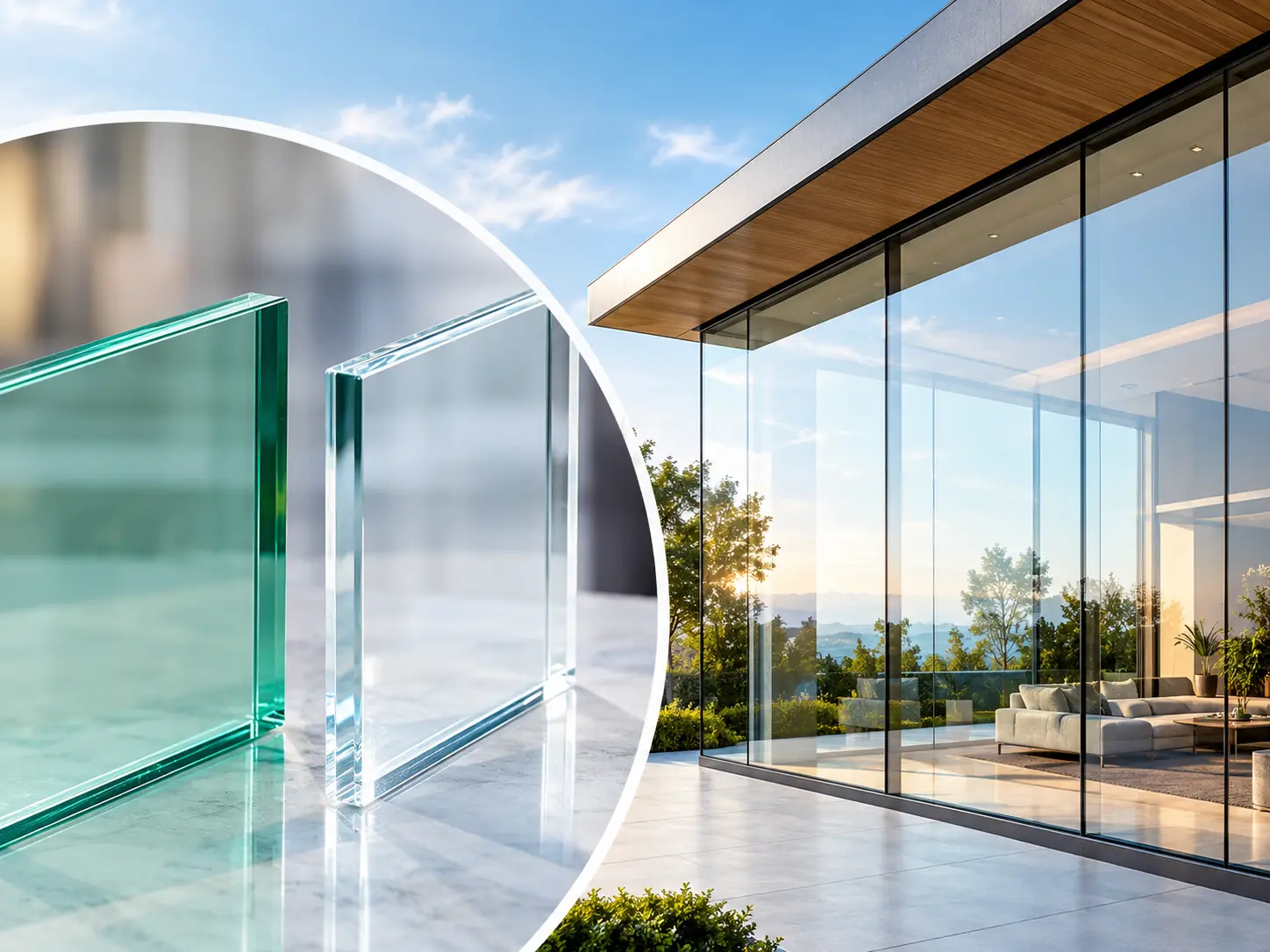
Clear glass is a widely used glass type for windows, doors, partitions and other architectural applications. It provides good visibility and allows natural light to enter indoor spaces. However, standard clear glass typically contains iron content that can produce a slight green tint, particularly along thick edges or when viewed against a white background.
Clear glass is a practical option for projects where functionality, affordability and everyday transparency are the main priorities.
What Is Extra Clear Glass?
Extra clear glass, also known as low-iron glass, is manufactured to reduce the greenish tint associated with standard clear glass. Its improved colour neutrality provides a more accurate view of objects and colours behind the glass.
Extra clear glass is commonly selected for premium shopfronts, display cabinets, glass doors, interior partitions and modern architectural designs where appearance matters. It can also be processed into toughened glass when the product specification and manufacturing process allow it. When comparing glass options, Clear Toughened Glass Manufacturers in Jaipur may provide guidance on available products and processing requirements.
Key Differences Between Clear Glass and Extra Clear Glass
The main difference is their visual clarity. Standard clear glass may show a slight green tint, whereas extra clear glass offers a more neutral appearance. This difference becomes more noticeable in thicker glass panels, layered installations and designs with light-coloured backgrounds.
Extra clear glass is generally chosen for premium visual applications, while standard clear glass remains suitable for many conventional glazing requirements. The right option depends on the intended use, glass thickness, budget and required safety performance.
Where Is Extra Clear Glass Used?
Extra clear glass is suitable for luxury residential interiors, commercial showrooms, retail displays, office partitions, glass furniture and contemporary building designs. It is particularly useful when designers want natural colours to remain visible without a noticeable greenish tone.
For projects requiring impact safety, the glass may need additional processing, such as toughening or lamination, depending on the application and applicable safety requirements. Experienced Clear Toughened Glass Manufacturers in Jaipur can help buyers identify options that suit their project specifications.
How to Choose the Right Glass for Your Project
Before selecting glass, consider its purpose, required thickness, panel dimensions, installation method and safety requirements. Standard clear glass can be appropriate for general applications, while extra clear glass is a strong choice when colour accuracy and premium appearance are important.
Neelkamal Tuff provides glass solutions for architectural and commercial requirements in Jaipur. Discuss your project specifications with a glass professional to determine the appropriate product and processing options. For projects where clarity, safety and appearance are priorities, consult Clear Toughened Glass Manufacturers in Jaipur to understand the available solutions.
Frequently Asked Questions
1. Is extra clear glass better than normal clear glass?
Extra clear glass offers better colour neutrality and less green tint. Whether it is better depends on the project’s appearance, budget and performance requirements.
2. Why does standard clear glass look green?
The iron content in standard glass can create a greenish tint, especially at thicker edges.
3. Is extra clear glass suitable for shopfronts?
Yes. It is often selected for shopfronts and display areas where clear visibility and accurate product colours are important.
4. Can extra clear glass be toughened?
Yes, suitable extra clear glass can be toughened when processed according to the manufacturer’s specifications.
5. Where can extra clear glass be used?
It can be used in partitions, display cabinets, doors, glass furniture and architectural glazing, subject to the project’s safety requirements.