The glass industry is entering a new era driven by advanced technology, innovative processing techniques, larger glass formats, and highly customized solutions. Modern architecture increasingly demands materials that combine strength, safety, energy efficiency, aesthetics, and flexibility. As a result, glass manufacturing is moving beyond traditional transparent panels toward high-performance products designed for specific architectural, commercial, residential, and industrial requirements.
From digitally controlled production lines to jumbo-size panels and customized glass designs, Glass Manufacturer in Rajasthan are adopting new technologies to meet changing project demands. This evolution is creating exciting possibilities for architects, builders, interior designers, façade specialists, and property owners.
Advanced Technology Is Transforming Glass Manufacturing
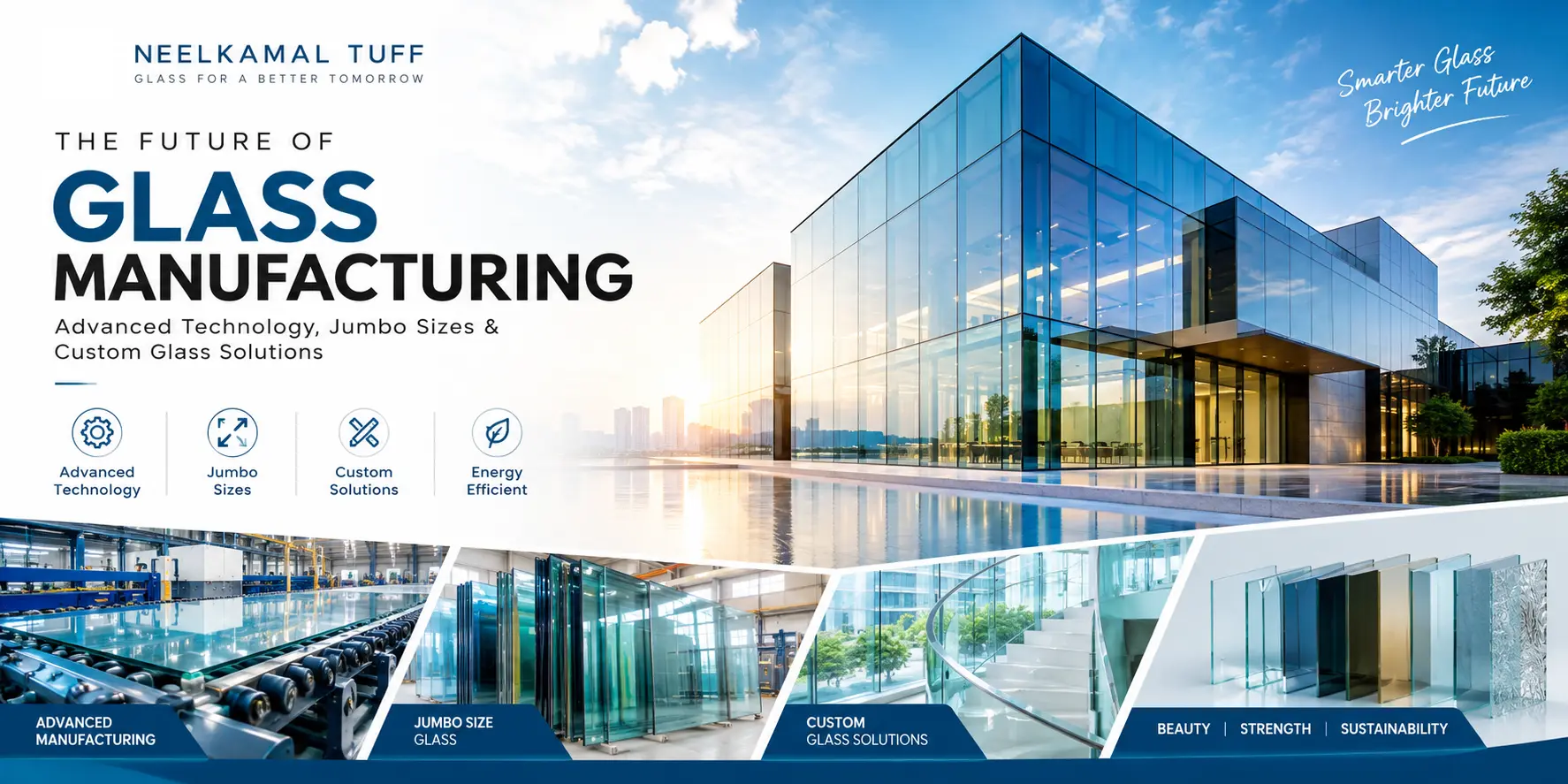
Technology has become one of the most important factors shaping the future of glass manufacturing. Modern production facilities use automated cutting, precision edge processing, advanced tempering systems, digital printing, coating technologies, and quality-control equipment to improve consistency and performance.
Computer-controlled processing helps manufacturers achieve accurate dimensions and complex specifications while reducing material waste. Advanced tempering technology can produce safety glass with improved strength and thermal resistance, making it suitable for doors, partitions, façades, railings, shower enclosures, and other demanding applications.
Digital printing is another important development. It allows manufacturers to create customized patterns, graphics, textures, and decorative designs directly on glass. This gives architects and designers greater freedom to create distinctive interiors and façades without compromising the functional benefits of glass.
Jumbo-Size Glass Is Reshaping Modern Architecture
One of the most visible trends in the industry is the growing demand for jumbo-size glass. Large-format glass creates wider views, cleaner architectural lines, and fewer visible joints. It is particularly popular in contemporary façades, luxury residences, commercial buildings, showrooms, airports, hotels, and large interior spaces.
Jumbo glass can help create impressive curtain walls and expansive glazing systems while supporting modern minimalist designs. Larger panels can also increase the feeling of openness by reducing interruptions caused by multiple smaller glass sections.
However, manufacturing and handling jumbo-size glass requires specialized equipment, precise processing, suitable transportation, and careful installation. Manufacturers must consider dimensions, thickness, weight, tempering requirements, edge quality, and project-specific performance requirements before production.
Custom Glass Solutions for Unique Project Requirements
The future of glass manufacturing is not limited to standard products. Custom glass solutions are becoming increasingly important because every architectural project can have different requirements.
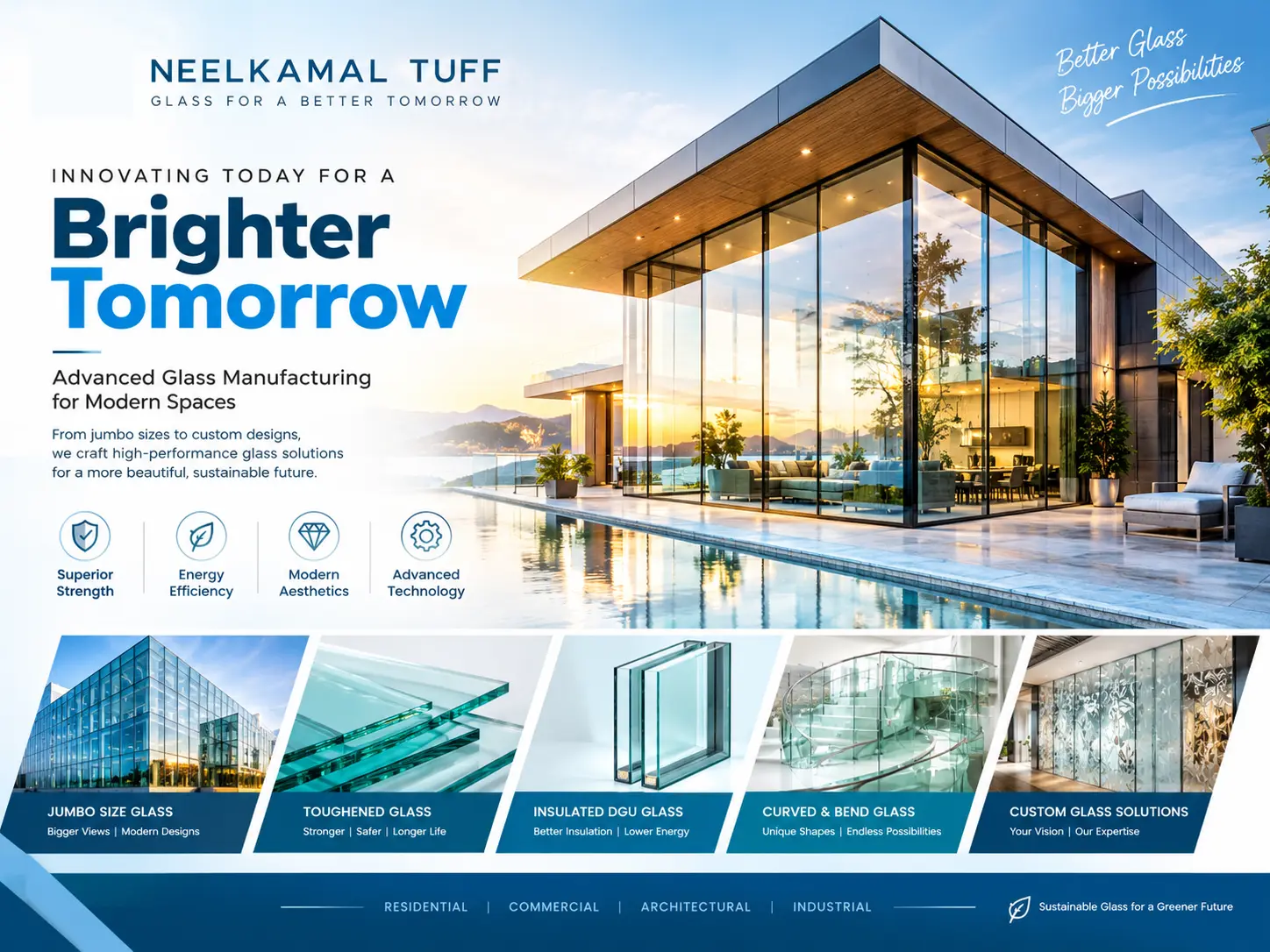
Glass Manufacturer in Jaipur can provide customized solutions based on size, thickness, shape, finish, color, transparency, coating, printing, and performance characteristics. Curved and toughened bend glass, laminated safety glass, insulated DGU glass, reflective glass, tinted glass, frosted glass, fluted glass, lacquered glass, coated glass, and digital printed glass are examples of products that expand design possibilities.
Customized glass can be developed for applications such as office partitions, shopfronts, skylights, façades, balconies, staircases, doors, windows, shower enclosures, interior walls, and decorative installations.
Energy Efficiency Will Become Even More Important
Sustainability is another major force influencing the future of glass manufacturing. Buildings consume significant amounts of energy, and high-performance glazing can contribute to better thermal management and indoor comfort.
Advanced glass products such as insulated DGU units, coated glass, low-emissivity solutions, and solar-control glass can help manage heat transfer and solar radiation. Depending on the glazing system and building design, these products can reduce unwanted heat gain or heat loss while allowing natural daylight to enter.
The future will therefore focus not simply on making glass stronger, but on developing glass that performs multiple functions—such as controlling heat, improving comfort, supporting daylighting, reducing energy demand, and enhancing aesthetics.
Safety and Performance Will Remain a Priority
As buildings become taller and architectural glazing becomes more extensive, safety remains essential. Toughened and laminated glass technologies are increasingly used where enhanced safety and structural performance are required.
Toughened glass is processed to improve mechanical and thermal resistance, while laminated glass uses interlayers to hold broken pieces together after breakage. Insulated glazing systems can combine multiple panes with a sealed cavity to improve thermal and acoustic performance.
Future manufacturing will continue to focus on better quality control, consistent processing, improved testing, and application-specific glass configurations.
The Role of Digital Manufacturing and Automation
Automation will play a growing role throughout the glass manufacturing process. Smart machinery can improve cutting accuracy, optimize production schedules, monitor processing parameters, and reduce human error.
Digital workflows can also make custom orders more efficient. Project drawings and specifications can be translated into production instructions with greater precision, helping manufacturers deliver complex glass components more consistently.
Artificial intelligence, machine vision, automated inspection, and data-driven quality management may further improve production efficiency in the coming years.
What Does the Future Hold for Glass Manufacturing?
The future of glass manufacturing will be defined by technology, customization, performance, sustainability, and larger dimensions. Customers will increasingly expect glass that is not only visually attractive but also engineered for specific functional requirements.
For architects and builders, this means more design freedom and greater access to specialized glazing solutions. For manufacturers, it means continuous investment in technology, skilled professionals, quality systems, and advanced processing capabilities.
Companies such as Neelkamal Tuff can support modern architectural requirements by offering a broad range of glass solutions for residential, commercial, and architectural applications.
Frequently Asked Questions
1. What is the future of glass manufacturing?
The future of glass manufacturing will focus on advanced automation, jumbo-size glass, customized designs, energy-efficient glazing, improved safety, digital printing, and high-performance glass products.
2. Why is jumbo-size glass becoming popular?
Jumbo-size glass provides larger uninterrupted views, fewer joints, cleaner façades, and a modern appearance. It is increasingly used in commercial buildings, luxury residences, showrooms, and large architectural structures.
3. What are custom glass solutions?
Custom glass solutions are products manufactured according to specific project requirements, including customized dimensions, thickness, shape, finish, color, coating, printing, and performance characteristics.
4. How does technology improve glass manufacturing?
Advanced technology improves cutting accuracy, tempering consistency, quality control, production efficiency, customization capabilities, and overall product reliability.
5. Will sustainable glass become more important?
Yes. Energy-efficient glazing, insulated glass, coated glass, and solar-control solutions are expected to become increasingly important as buildings focus more on energy performance, occupant comfort, and sustainable design.
Conclusion
The future of glass manufacturing is moving toward smarter, larger, safer, more efficient, and highly customized solutions. Advanced technology, jumbo-size glass, and custom manufacturing are giving the architectural industry new ways to combine performance with creative design. As demand for modern buildings continues to grow, innovative Glass Factory in Rajasthan will remain an important part of the next generation of architecture.