
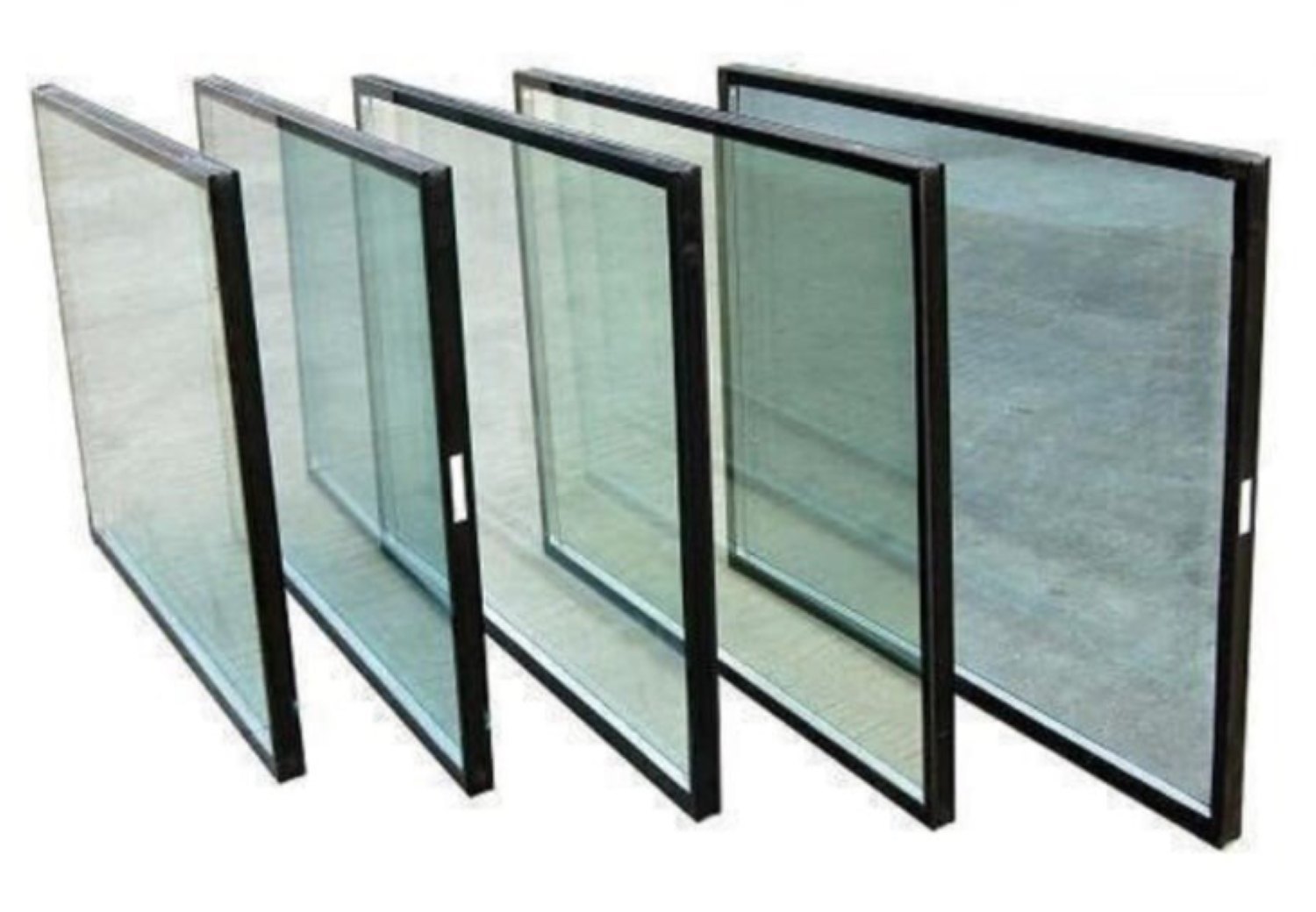
Advanced Insulated DGU Glass Solutions for Modern Architecture
In today’s energy-conscious world, architecture and design have evolved far beyond aesthetics. Modern buildings now demand efficiency, comfort, and sustainability. Among the most innovative materials used to achieve these goals is Insulated DGU Glass — a breakthrough that combines thermal efficiency, sound insulation, and durability. As a leader in high-performance architectural glass, Neelkamal Glass, a premier Glass Manufacturer in Jaipur, offers state-of-the-art Insulated DGU Glass designed to meet the diverse needs of both residential and commercial projects.
Understanding Insulated DGU Glass
Insulated Glass Units (IGU), also known as Double Glazed Units (DGU), consist of two or more glass panes separated by a sealed air or gas-filled cavity. This cavity acts as an insulating barrier, reducing heat transfer and maintaining interior temperature stability. The glass layers are bonded together with a spacer and sealed around the edges to create an airtight unit. This advanced structure significantly enhances thermal and acoustic performance compared to single-pane glass, making it ideal for energy-efficient buildings.
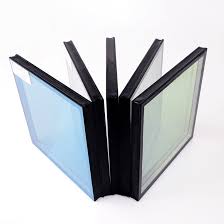 At Neelkamal Glass, each DGU is meticulously manufactured using precision technology to ensure long-lasting performance, durability, and clarity. The company employs high-quality raw materials and modern machinery to produce insulated glass units that meet international standards for energy efficiency and comfort.
Technical Composition and Construction
The construction of Insulated DGU Glass involves two panes of glass separated by a spacer, which forms a hermetically sealed air gap. The spacer is usually filled with desiccant material to absorb any moisture trapped inside, preventing fogging and condensation. Depending on the project’s requirement, the air gap can range from 6mm to 20mm, and the space may be filled with inert gases such as argon or krypton to further enhance insulation.
The glass panels themselves can be customized to include various types — clear glass, toughened glass, reflective glass, low-E glass, or laminated glass — depending on desired performance and aesthetic requirements. Neelkamal Glass designs DGU systems with utmost precision, ensuring perfect alignment, edge sealing, and pressure balance to prevent air leakage and condensation issues.
How Insulated DGU Glass Works
The working principle behind Insulated DGU Glass is based on reducing the transfer of heat and sound between the interior and exterior environments. The sealed air or gas layer between the glass panes acts as a barrier that slows down heat conduction and convection. During summers, it keeps indoor spaces cooler by minimizing heat gain, and during winters, it retains warmth inside, preventing energy loss.
The Low-Emissivity (Low-E) coatings applied to some DGU panels further improve insulation by reflecting infrared radiation while allowing visible light to pass through. This technology ensures that natural daylight enters the space while controlling temperature fluctuations, making DGU glass an essential component in green building design.
Technical Specifications
Glass Type: Clear, Toughened, Laminated, Reflective, or Low-E Glass
Number of Layers: 2 or 3 panes (DGU or Triple Glazed Unit)
Spacer Thickness: 6mm to 20mm (customized)
Gas Fill: Dry Air, Argon, or Krypton
Sealing System: Dual Seal – Primary (Polyisobutylene) and Secondary (Polysulfide or Silicone)
Thermal Conductivity (U-Value): As low as 1.0 W/m²K depending on configuration
Sound Reduction: Up to 40–45 dB for acoustic-grade units
Applications: Windows, Facades, Skylights, Partitions, Doors, and Cu
rtain Walls
Each insulated unit manufactured by Neelkamal Glass undergoes stringent quality checks, ensuring perfect sealing, alignment, and optical clarity.
Features and Benefits of Insulated DGU Glass
1. Superior Thermal Insulation
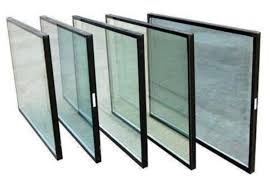
The primary benefit of Insulated DGU Glass is its ability to regulate temperature. The air or gas cavity reduces heat transfer, keeping interiors cooler in summer and warmer in winter. This minimizes the need for air conditioning or heating, leading to significant energy savings.
2. Enhanced Sound Insulation
The dual-glass structure acts as a barrier to sound, effectively reducing external noise. This makes DGU glass ideal for buildings in noisy urban areas, near highways, or airports, providing peaceful indoor environments.
3. Energy Efficiency
By maintaining indoor temperatures, DGU glass lowers the overall energy load of HVAC systems. This improves the building’s energy performance and reduces carbon emissions, supporting sustainable architecture goals.
4. Condensation Control
The hermetically sealed cavity and desiccant-filled spacers prevent moisture accumulation and fogging on glass surfaces, ensuring long-term clarity and performance.
5. Comfort and Aesthetics
Insulated glass allows ample natural light while minimizing glare and heat, enhancing comfort and maintaining visual transparency. With options for reflective, tinted, or frosted finishes, it complements modern architectural aesthetics.
6. Safety and Security
When combined with toughened or laminated glass, DGU units provide additional impact resistance, improving both safety and durability.
7. UV Protection
Low-E or tinted DGU glass reduces harmful UV radiation, protecting interior furnishings, artwork, and flooring from fading over time.
Applications of Insulated DGU Glass
Neelkamal Glass supplies Insulated DGU Glass for a wide range of architectural and commercial applications:
Residential Buildings: For windows, balconies, and skylights, ensuring comfort and energy efficiency.
Commercial Complexes: In office facades and partitions for noise reduction and thermal comfort.
Airports and Hotels: Used in facades and lobby areas to enhance energy control and aesthetics.
Healthcare and Educational Institutions: Ensuring noise control and temperature regulation for productivity and comfort.
Industrial Structures: For control rooms and manufacturing facilities where climate control is crucial.
Green Buildings: For LEED and IGBC-certified projects requiring energy-efficient materials.
The flexibility of DGU glass makes it suitable for virtually any architectural design that values sustainability and comfort.
Why Choose Neelkamal Glass for Insulated DGU Glass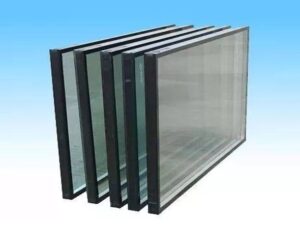
As a leading Glass Manufacturer in Jaipur, Neelkamal Glass is trusted for precision, quality, and innovation. The company’s manufacturing process integrates modern equipment and advanced lamination technology to produce DGU glass that meets both aesthetic and performance expectations.
1. Customized Design Solutions
Every building has unique requirements. Neelkamal Glass offers tailor-made DGU solutions, including customized glass types, thicknesses, coatings, and spacers, ensuring perfect compatibility with project demands.
2. Advanced Manufacturing Facilities
Equipped with state-of-the-art autoclaves, sealing systems, and quality control laboratories, Neelkamal Glass ensures consistent performance and high durability in every insulated glass unit.
3. Quality Standards and Certifications
All DGU products are manufactured to comply with global standards such as ASTM, EN, and IS regulations. Rigorous testing ensures that each unit meets parameters for energy efficiency, sealing performance, and acoustic control.
4. Expert Consultation and Support
From product selection to installation, the Neelkamal Glass technical team provides expert guidance to architects, developers, and contractors. Post-installation support ensures optimal long-term performance.
5. Sustainable Production Practices
Neelkamal Glass emphasizes eco-friendly production processes, using recyclable materials and energy-efficient manufacturing systems to minimize its environmental footprint.
Maintenance and Durability
Insulated DGU Glass is designed for long-term performance with minimal maintenance. Routine cleaning using mild soap and non-abrasive materials helps maintain clarity and aesthetics. Regular inspection of the seal edges ensures there are no leaks or damage. Since the internal cavity is sealed, the risk of condensation or fogging is minimal, ensuring durability and consistent energy performance for years.