Tinted Glass: Style, Comfort, and Energy Efficiency by Neelkamal Glass
In today’s modern world of architecture and design, glass plays a key role not just as a structural element, but as a medium of light, beauty, and comfort. Among the various types of architectural glass available today, tinted glass has become one of the most preferred materials for both residential and commercial projects.
With its ability to control sunlight, reduce glare, and enhance aesthetics, tinted glass offers a perfect balance between form and function. At Neelkamal Glass — a leading Glass Manufacturer in Jaipur — we produce premium-quality tinted glass designed to meet the evolving needs of modern architecture, interior design, and energy-efficient construction.
What Is Tinted Glass?
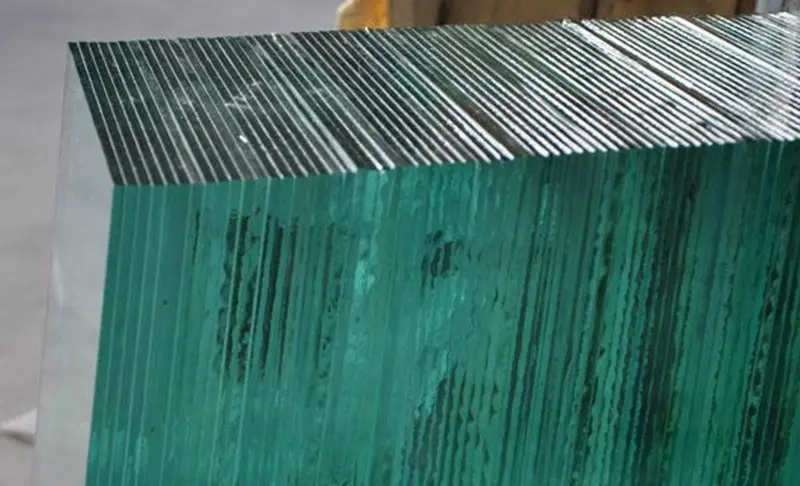
 Tinted glass is a type of float glass that has been treated with small amounts of metal oxides during its manufacturing process to add color and enhance its solar control properties. The tint is introduced while the glass is still molten, ensuring the color is permanent and evenly distributed throughout the sheet.
The result is a beautifully colored glass that not only adds aesthetic appeal but also absorbs a portion of the sun’s heat and light, reducing glare and improving energy efficiency in buildings.
Neelkamal Tinted Glass is available in a variety of shades — such as bronze, grey, green, blue, and smoke — offering architects and designers creative freedom while maintaining functional performance.
Manufacturing Process of Tinted Glass
The production of tinted glass follows the same basic steps as float glass manufacturing, with one important addition — colorants are mixed into the molten glass batch to achieve the desired tint and properties.
Here’s how Neelkamal Glass manufactures high-quality tinted glass:
Batch Preparation
The raw materials — silica sand, soda ash, limestone, and other minerals — are carefully measured and blended. Metal oxides like iron, cobalt, selenium, or nickel are added depending on the tint color required.
Melting and Mixing
The batch is melted in a furnace at about 1,500°C. The colorants dissolve and distribute evenly throughout the molten glass, ensuring uniform color and optical consistency.
Float Process
The molten glass is poured onto a bath of molten tin, where it spreads and forms a smooth, flat surface. The glass ribbon then moves through an annealing lehr for controlled cooling.
Cutting and Finishing
Once cooled, the glass is cut to standard or custom sizes and polished to ensure clarity, quality, and finish.
This process ensures that Neelkamal tinted glass offers consistent color, strength, and performance across every sheet — making it ideal for architectural and decorative uses.
Technical Specifications
Here are some general technical specifications for tinted glass manufactured by Neelkamal Glass:
Glass Type: Float / Toughened / Laminated (as required)
Thickness Range: 4mm to 12mm
Maximum Sheet Size: Up to 3660mm × 2440mm
Light Transmission: 40% – 80% (depending on tint and thickness)
Solar Heat Absorption: Up to 45%
Reflectance: 6% – 12%
Available Shades: Bronze, Grey, Green, Blue, and Smoke Grey
Processing Options: Can be toughened, laminated, curved, acid-etched, or used in insulated DGU glass units
Features and Characteristics of Tinted Glass
1. Solar Control and Heat Reduction
Tinted glass absorbs a significant portion of solar heat and radiation, helping reduce the amount of heat entering a building. This results in cooler interiors and reduced air-conditioning costs — making it an excellent choice for energy-efficient architecture.
2. Glare Reduction
By limiting the intensity of sunlight that passes through, tinted glass minimizes glare, improving visual comfort inside homes, offices, and showrooms.
3. UV Protection
Tinted glass can block up to 80% of harmful UV rays, which protects interiors, furniture, and fabrics from fading or discoloration.
4. Aesthetic Appeal
Available in a wide range of elegant colors and tones, tinted glass adds depth and sophistication to any structure — whether used on facades, partitions, or decorative panels.
5. Privacy Enhancement
The darker tint enhances daytime privacy by reducing outside visibility while still allowing natural light to enter.
6. Versatile Processing Options
Neelkamal tinted glass can be toughened, laminated, double-glazed (DGU), or curved without losing its color or performance properties.
7. Long-Lasting Durability
Because the tint is integrated during the molten stage, the color is permanent and will not peel, fade, or scratch off over time.
Applications of Tinted Glass
Due to its versatile nature, tinted glass is used in a wide variety of residential, commercial, and industrial applications.
1. Architectural Facades and Windows
Tinted glass is a popular choice for building exteriors, facades, and windows. It enhances the structure’s appearance while providing energy savings and comfort.
2. Interior Design and Partitions
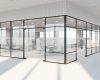
Used in office partitions, conference rooms, and decorative interiors, tinted glass adds a modern and elegant touch to interior spaces.
3. Residential Homes
Homeowners prefer tinted glass for balcony doors, skylights, and large windows to maintain privacy and reduce indoor heat.
4. Commercial Complexes
In offices, malls, and hotels, tinted glass is used to create a stylish look and improve energy performance by reducing solar heat gain.
5. Automotive Industry
Tinted glass is widely used in cars, buses, and trains to reduce glare, heat, and UV exposure, ensuring passenger comfort.
6. Furniture and Decor
From tabletops and shelving to mirrors and wall panels, tinted glass adds character and color to interior furniture designs.
Advantages of Using Tinted Glass
Energy Efficiency – Reduces the need for artificial cooling and lighting, lowering electricity consumption.
Comfortable Interiors – Maintains optimal temperature and minimizes glare.
Aesthetic Variety – Available in multiple colors and finishes to complement modern architecture.
Safety and Strength – When toughened or laminated, tinted glass becomes a strong safety glass suitable for high-rise buildings.
UV and Glare Protection – Protects interiors and eyes from harsh sunlight.
Eco-Friendly – Contributes to sustainable building design by improving energy performance.
Difference Between Tinted Glass and Reflective Glass
While both tinted and reflective glass help in controlling solar heat, they differ in appearance and functionality.
| Property | Tinted Glass | Reflective Glass |
|---|---|---|
| Appearance | Colored glass with soft finish | Mirror-like reflective surface |
| Light Transmission | Medium to high | Medium to low |
| Solar Control | Absorbs heat | Reflects heat |
| Privacy | Moderate | High (daytime privacy) |
| Aesthetic | Natural and elegant | Modern and bold |
Many architects combine both tinted and reflective glass in projects for optimal performance and aesthetic balance.
Why Choose Neelkamal Glass for Tinted Glass in Jaipur
At Neelkamal Glass, we bring innovation, technology, and craftsmanship together to produce superior-quality tinted glass for every application. As a reputed Glass company in Jaipur and Glass factory in Jaipur, we offer end-to-end glass solutions for architecture, interiors, and industrial use.
Here’s Why Clients Trust Neelkamal Glass:
Advanced Manufacturing Facility
Our production unit is equipped with state-of-the-art furnaces and color control systems ensuring uniform tint and performance.
Wide Range of Shades and Finishes
Choose from multiple tints, textures, and combinations to match your design and project requirements.
Quality and Durability
Every sheet undergoes strict quality testing for optical clarity, strength, and color uniformity.
Custom Processing
We offer toughened, laminated, and insulated (DGU) versions of tinted glass for added safety and efficiency.
Sustainable and Energy-Saving Solutions
Our tinted glass products contribute to green building practices by reducing solar gain and cooling loads.
Trusted by Architects and Builders
With years of experience and a proven track record, Neelkamal Glass has become the go-to Toughened glass company in Jaipur for quality and reliability.
Technical Benefits at a Glance
Thermal Comfort: Reduces interior temperature by up to 10°C in hot climates.
Glare Reduction: Improves visual comfort for workspaces and living areas.
UV Blocking: Protects against up to 80% of UV rays.
Color Stability: Permanent tint; unaffected by aging or weathering.
Acoustic Insulation: When laminated, provides excellent noise control.
Design Freedom: Complements both modern and traditional architectural styles.