Laminated glass, commonly known as laminated safety glass, is one of the most advanced and reliable glazing solutions used in modern architecture, automotive manufacturing, and high-security applications. Designed to enhance safety without compromising transparency or aesthetics, laminated glass is engineered by bonding two or more layers of glass with a strong interlayer, typically polyvinyl butyral (PVB) or EVA (ethylene-vinyl acetate). This interlayer plays a crucial role in maintaining the structural integrity of the glass even after breakage.
Unlike ordinary glass that shatters into sharp, dangerous fragments, laminated safety glass holds together when broken. The interlayer keeps the shattered pieces bonded in place, significantly reducing the risk of injury and preventing the glass from collapsing. This unique safety feature makes laminated glass an essential material for applications where human safety, security, and impact resistance are top priorities.
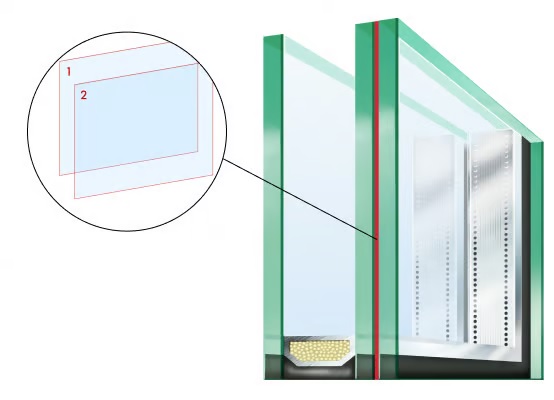
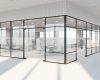
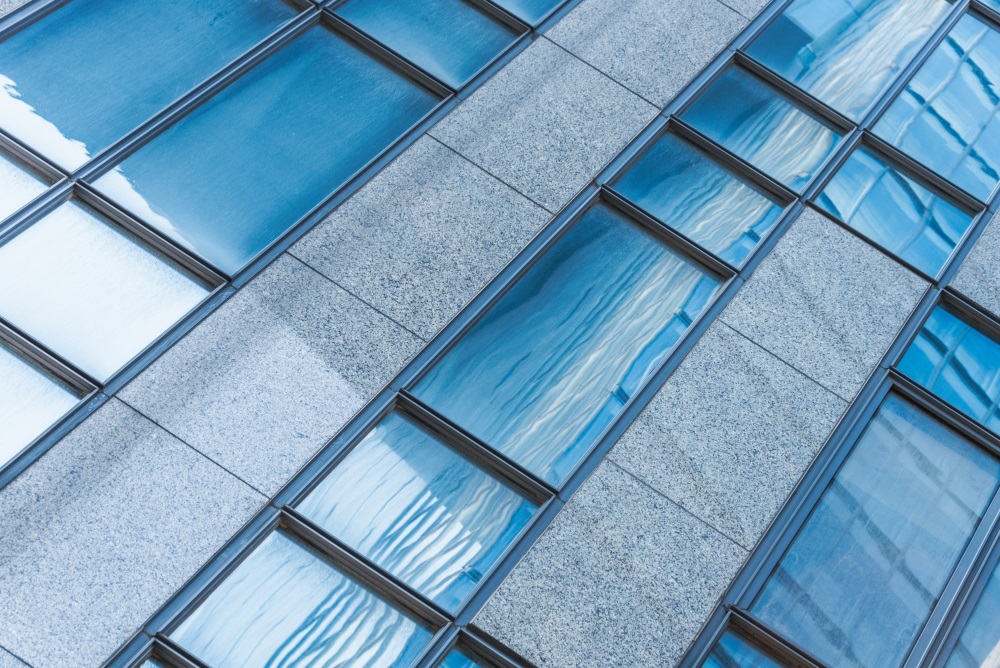
One of the key advantages of laminated glass is its superior impact resistance. It is widely used in automotive windshields because it can withstand strong impacts while maintaining visibility and structural stability. In buildings, laminated glass is commonly installed in skylights, facades, glass railings, balconies, and curtain wall systems where enhanced safety compliance is required. Its ability to resist penetration also makes it suitable for security glazing and high-risk environments.
Beyond safety, laminated glass offers excellent sound insulation properties. The interlayer helps reduce noise transmission, making it an ideal choice for residential and commercial spaces located in busy urban areas. This acoustic benefit improves indoor comfort by minimizing external disturbances such as traffic noise, construction activity, or industrial sounds.
Laminated safety glass also provides superior UV protection. The interlayer filters out a significant percentage of harmful ultraviolet rays, helping protect interiors, furniture, flooring, and artwork from fading over time. This makes it particularly valuable for homes, offices, retail spaces, and museums where interior preservation is important.
In addition to standard configurations, laminated glass can be customized for specialized applications. It can be manufactured in various thickness combinations to meet structural requirements and safety regulations. For higher security needs, multiple laminated layers can be used to create bullet-resistant or blast-resistant glass systems. Decorative interlayers, tinted finishes, and frosted options further enhance its design flexibility, making it suitable for both functional and aesthetic purposes.
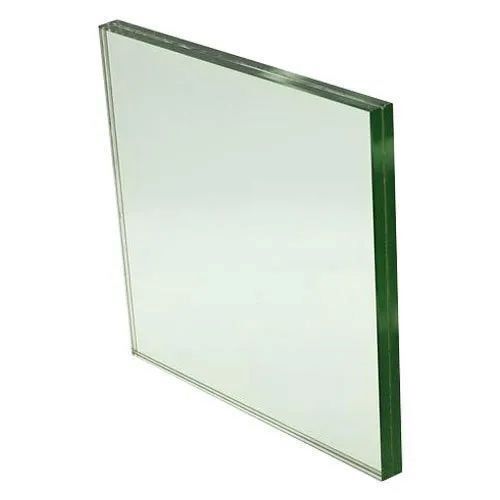
Another important benefit of laminated safety glass is its performance in extreme weather conditions. In areas prone to storms or high wind pressure, laminated glass helps maintain building envelope integrity even if the outer layer cracks. This prevents debris from entering the structure and reduces the risk of sudden structural failure.
When comparing laminated glass with toughened glass, it is important to understand their functional differences. Toughened glass is designed to be stronger in terms of surface compression and breaks into small blunt pieces for safety. Laminated glass, however, focuses on containment and retention, ensuring the glass remains in place even after impact. For maximum safety, many architectural projects combine toughened and laminated technologies to achieve both strength and security.
In conclusion, laminated glass and laminated safety glass are indispensable solutions for modern construction and automotive industries. Their ability to provide impact resistance, safety retention, UV protection, sound insulation, and enhanced security makes them a preferred choice for architects, builders, and engineers. By integrating laminated glass into residential, commercial, or structural applications, you ensure long-term durability, compliance with safety standards, and improved overall performance.